Now Reading: Is Bali Safe for Tourists in 2025? Everything You Need to Know
- 01
Is Bali Safe for Tourists in 2025? Everything You Need to Know

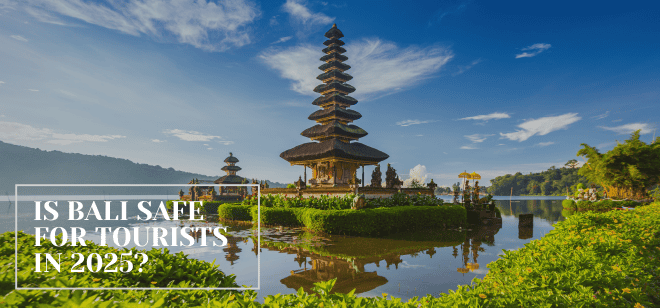
Introduction: Bali in 2025 – A Tropical Haven or a Risky Destination?
Bali, the famed Indonesian island paradise, continues to attract millions of visitors each year with its lush landscapes, rich culture, and serene beaches. But for travelers planning a trip in 2025, a common and important question persists: is Bali safe? With changing global travel dynamics, health considerations, and safety concerns, it’s more crucial than ever to stay informed before jetting off to paradise.
This comprehensive guide breaks down the real facts surrounding is Bali safe for tourists in 2025, offering reliable insights into local conditions, health precautions, crime rates, and emergency preparedness. Whether you’re a solo traveler, family vacationer, or digital nomad, this article provides everything you need to know to enjoy Bali securely and confidently.
Understanding Bali’s Geography and Tourist Appeal
Before diving into safety specifics, it helps to understand where is Bali and why it holds such allure. Bali is an island province of Indonesia, located between Java and Lombok. Known for its stunning beaches, ancient temples, rice terraces, and vibrant arts scene, it’s a top destination for global travelers.
Given its popularity, many wonder: is Bali safe to visit in the current year? As we’ll explore, the island has maintained its reputation as a relatively safe travel destination, though there are always practical precautions to consider. From the bustling streets of Seminyak to the peaceful temples of Ubud, knowing the terrain helps set expectations and better prepare for a secure journey.
Crime in Bali: What Tourists Should Know
When asking is Bali safe, crime is often the first concern. Generally speaking, Bali is considered safe for tourists, especially compared to other global hotspots. Violent crime is rare, and the majority of reported incidents involve petty theft, such as pickpocketing and motorbike snatch-and-grabs.
Tourists are advised to stay alert in crowded areas, secure their belongings, and avoid isolated places at night. Crime in Bali often targets the unaware rather than the unlucky. Practicing basic awareness is usually enough to stay safe. Law enforcement presence has increased in tourist zones, and community policing programs continue to improve public safety.
Natural Disasters in Bali: Earthquakes, Volcanoes, and Tsunamis
One of the key factors in the discussion of is Bali safe is its geographical vulnerability to natural disasters. Located on the Pacific Ring of Fire, Bali is susceptible to volcanic activity, earthquakes, and occasionally tsunamis. Mount Agung, Bali’s most active volcano, has experienced intermittent eruptions in recent years.
However, the Indonesian government has significantly upgraded its early warning systems. Evacuation routes are clearly marked in high-risk zones, and tourists are regularly updated by their accommodation providers. While the risk exists, it’s well-managed and shouldn’t deter you from visiting—just stay informed.
Health and Medical Safety in Bali
Health considerations also play into the question: is Bali safe to visit in 2025? Bali offers a mix of high-quality international medical clinics and more basic public facilities. While tap water is not safe to drink, bottled water is widely available. Food hygiene in established restaurants is generally reliable, but caution is advised when trying street food.
Dengue fever and mosquito-borne illnesses can be an issue in tropical climates like Bali’s, so bring repellent and consider staying in accommodations with mosquito nets or air conditioning. Ensure your travel insurance covers medical care and emergency evacuation, just in case.
Safety for Solo Travelers and Women in Bali
Solo travelers, especially women, often ask: is Bali safe for traveling alone? The answer is a reassuring yes—with some qualifications. Bali is a welcoming destination for solo adventurers, offering ample activities, safe lodging options, and friendly locals. However, like anywhere, it’s important to stay vigilant.
Avoid walking alone late at night in remote areas, keep your drink within sight, and trust your instincts. Use reputable ride-hailing services rather than hailing taxis from the street, and book tours with certified providers. These small steps go a long way toward ensuring a smooth, safe journey.
Transportation Safety and Road Conditions
A lesser-known but important angle in the is Bali safe conversation is transportation. Traffic in Bali can be chaotic, especially in tourist-heavy regions like Kuta or Denpasar. Motorbike rentals are popular but come with risks due to inexperienced riders, poor road conditions, and inconsistent traffic laws.
If you plan to rent a scooter, wear a helmet, carry an international driver’s license, and take a lesson if you’re unfamiliar with riding. Alternatively, many tourists opt for ride-sharing apps like Grab or GoJek, which offer safer, more reliable transport.
Cultural Sensitivity and Legal Safety in Bali
Respect for local customs and laws contributes significantly to your safety. Bali is deeply spiritual and culturally conservative, even in areas that cater to Western tourists. Modesty in temples, avoiding public intoxication, and respecting religious ceremonies will not only help you stay out of trouble—it’ll enrich your experience.
Tourists occasionally run afoul of local laws due to ignorance, not malice. Drug possession, for example, is dealt with severely in Indonesia. Understanding cultural norms is essential to answering is Bali safe to visit, as avoiding social friction enhances both safety and enjoyment.
Cybersecurity and Digital Safety for Travelers
As travel becomes more digital, another aspect of is Bali safe comes into focus: cybersecurity. Whether you’re a digital nomad or just browsing from your hotel, using secure Wi-Fi and a VPN is smart. Public networks in cafes and airports can be vulnerable to data theft.
Also, beware of common online scams targeting tourists, such as fake villa listings or “too good to be true” tour packages. Book through trusted platforms, and double-check the credentials of any vendor before sending payment.
Local Support, Emergency Numbers, and Tourist Assistance
Knowing who to call in case of emergency is a crucial part of determining is Bali safe. The Bali police department, medical services, and embassy assistance are all readily available to tourists. Many hotels and resorts offer concierge-level support that can assist in emergencies.
Important numbers include:
- Police: 110
- Ambulance: 118
- Tourist Police: +62 361 224111
Saving these contacts in your phone can make all the difference in a pinch. Many embassies also maintain active support for travelers, particularly in high-season months.
Final Verdict: Is Bali Safe for Tourists in 2025?
So, is Bali safe for tourists in 2025? In short—yes. With mindful preparation and a respectful attitude, Bali remains one of the safest and most enchanting travel destinations in Southeast Asia. While there are risks, as with any international travel, they are largely manageable through common sense and awareness.
From understanding where is Bali to exploring cultural etiquette and navigating public health tips, every facet of your travel can be safe and enjoyable when approached with care. Stay informed, stay aware, and you’ll discover why millions return to this island paradise year after year.
Ready to explore Bali? Make your plans today, stay smart, and experience one of the most beautiful—and safest—destinations in the world.
Environmental Safety and Ecotourism: A Growing Concern for Conscious Travelers
Another dimension in the broader question of is Bali safe involves environmental sustainability and the effects of tourism on the island’s ecosystem. In recent years, Bali has taken significant steps to promote ecotourism and reduce its ecological footprint. This includes bans on single-use plastics, beach clean-up initiatives, and the encouragement of sustainable tourism practices.
While these efforts don’t relate to physical safety in the traditional sense, they do impact the long-term viability and health of the environment that tourists come to enjoy. The island’s coastal waters, coral reefs, and inland forests are all areas where responsible travel matters.
Travelers are urged to participate in conservation-friendly activities, choose eco-certified accommodations, and avoid over-touristed hotspots when possible. From a safety perspective, these actions help reduce the risk of waterborne illnesses, pollution-related hazards, and degradation of public health resources—making Bali safer not just for tourists, but for locals and future generations.
Scams and Tourist Traps: How to Stay Alert and Aware
As with any global tourist hotspot, part of evaluating is Bali safe to visit includes knowing how to avoid scams and typical tourist traps. While most locals are warm, honest, and welcoming, there are a few individuals who take advantage of unsuspecting travelers.
Common scams in Bali include inflated taxi fares, fake temple entrance fees, counterfeit currency exchange stalls, and overpriced goods at tourist markets. Some tour operators may also overpromise and underdeliver. To avoid falling victim, tourists should book activities through verified travel platforms, use ride-hailing apps rather than street taxis, and always count money in front of vendors.
It’s also wise to research average prices for services and souvenirs to avoid overpaying. The more you educate yourself about potential pitfalls, the more confidently you can answer “is Bali safe?” with a resounding yes. By staying informed and observant, you’ll protect your wallet and enjoy a more authentic Balinese experience.
LGBTQ+ Safety and Inclusion in Bali
Another growing concern for modern travelers is inclusivity, particularly among LGBTQ+ tourists. So, is Bali safe for LGBTQ+ travelers in 2025? While Indonesia as a whole has conservative laws and cultural norms regarding LGBTQ+ rights, Bali stands apart in its relative openness and tolerance.
The island’s tourism economy, influenced heavily by Western visitors, has fostered a more progressive environment in comparison to other regions in the country. In areas like Seminyak and Ubud, you’ll find gay-friendly bars, inclusive resorts, and a generally welcoming vibe.
That said, public displays of affection—regardless of sexual orientation—are still considered culturally inappropriate in many parts of Bali. While it’s not illegal to be LGBTQ+ in Bali, discretion is encouraged. Travelers are advised to stay aware of local customs while enjoying the relative freedom and friendliness that Bali offers. In terms of inclusivity and safety, Bali continues to evolve in the right direction.
Travel Insurance: Your Safety Net in Unforeseen Situations
No discussion around is Bali safe for tourists in 2025 would be complete without emphasizing the importance of travel insurance. Even in a destination as welcoming and well-equipped as Bali, things can go wrong—flights get canceled, belongings go missing, or medical emergencies arise.
Comprehensive travel insurance provides peace of mind and ensures that you won’t be stuck with exorbitant bills or logistical nightmares during your trip. Be sure to choose a policy that covers medical care, theft, trip delays, and even evacuation if needed.
Some policies also offer coverage for activities like scuba diving or motorbike riding, which are popular in Bali. Considering how affordable travel insurance can be relative to the cost of your trip, it’s a wise investment that directly supports your safety. In this sense, part of answering is Bali safe lies in how prepared you are for the unexpected.
Bali’s Digital Infrastructure: Safe for Remote Work and Digital Nomads
As remote work continues to grow globally, many digital nomads are considering Bali for long-term stays. So, is Bali safe for people who live and work there digitally? The answer is yes—with a few caveats. Bali’s digital infrastructure has expanded significantly, especially in hubs like Canggu and Ubud, which now boast co-working spaces, reliable Wi-Fi, and laptop-friendly cafés.
Many nomads find the environment not only safe but highly conducive to productivity and networking. However, as with any remote work setup, cybersecurity is key. Using VPNs, encrypting sensitive files, and avoiding public Wi-Fi for banking or confidential tasks are all essential. Additionally, ensure that your visa status allows for extended stays and doesn’t conflict with Indonesian labor laws.
From both a physical and digital perspective, Bali provides a secure and appealing base for the modern professional, adding to the positive answer to is Bali safe in 2025.
Post-COVID Hygiene Standards and Public Health Measures
While the global pandemic has largely transitioned into an endemic stage, travelers still wonder is Bali safe in a post-COVID world? Bali has implemented improved public hygiene and health protocols across hotels, restaurants, and tourist attractions.
Many establishments now follow international cleanliness standards, offering hand sanitizers, regular disinfection, and contactless services. Airports and transport services continue to monitor health situations, and Bali’s healthcare system is better prepared to handle future outbreaks. Vaccination rates are high among frontline tourism workers, and COVID-19 testing centers remain operational for those requiring test results for outbound travel.
Tourists are encouraged to maintain personal hygiene, wear masks in crowded indoor areas if needed, and monitor their own health during the trip. These ongoing efforts reflect Bali’s serious commitment to traveler health, reinforcing the fact that Bali is safe to visit—even amid evolving global health scenarios.
Conclusion: Bali in 2025 — A Safe, Enriching Destination for All Travelers
So, is Bali safe for tourists in 2025? After exploring every angle—from crime rates and natural disasters to health standards and cultural norms—the answer is a clear and confident yes. Bali remains one of Southeast Asia’s most welcoming and secure destinations, offering a harmonious blend of natural beauty, cultural richness, and traveler-focused infrastructure. While no destination is entirely without risk, Bali has proven time and again that it is both prepared and proactive in safeguarding visitors.
By staying informed, respecting local customs, and taking standard precautions—like securing travel insurance, staying alert in busy areas, and adhering to health guidelines—your trip to Bali can be not only safe but deeply rewarding. Whether you’re a solo adventurer, a digital nomad, a family on vacation, or someone simply looking to unwind, Bali offers a secure environment where memories are made, not marred.


Related Posts

Stay Informed With the Latest & Most Important News
Previous Post
Next Post







Advertisement